

Azerbaijan marks 107 years since Democratic Republic’s birth
May 28 to be celebrated as symbol of Azerbaijani freedom and statehood
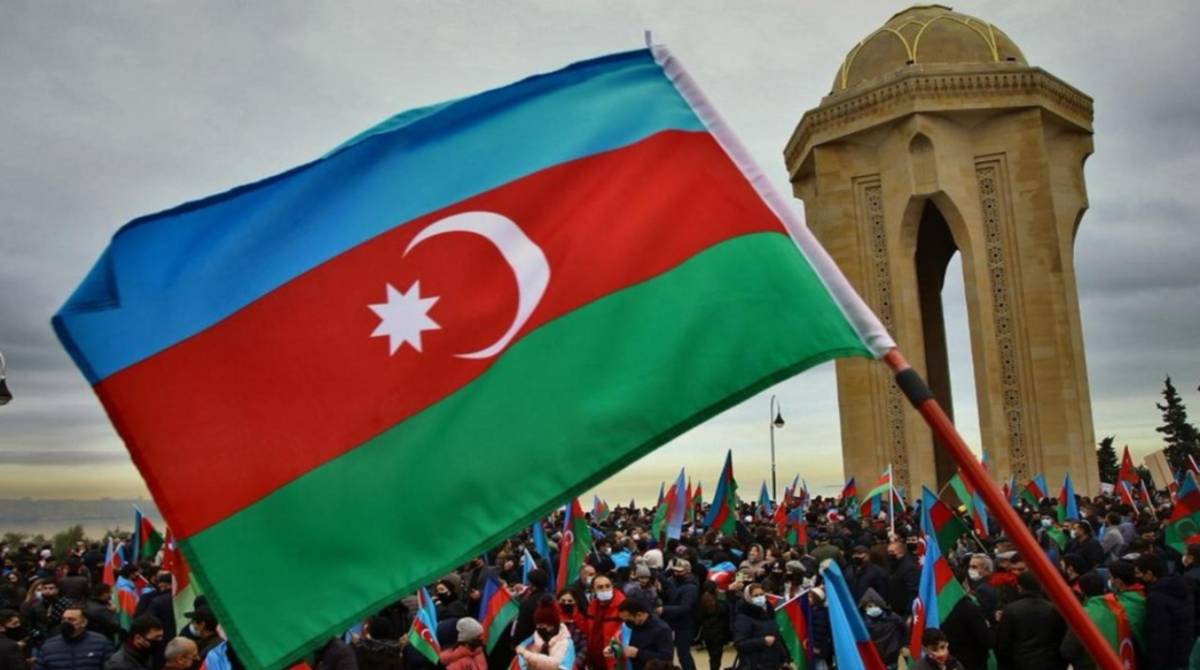
DUBAI: Every year on 28 May, the Republic of Azerbaijan commemorates a defining moment in its national history – Independence Day. This day marks the foundation of the Azerbaijan Democratic Republic (ADR) in 1918, a historic milestone that established the first secular and democratic republic in the Muslim East. Now, 107 years later, it remains a powerful reminder of the country's resilience, statehood and its people’s unwavering determination to chart their own destiny.
The proclamation of independence was made on 28th May 1918 by the National Council of Azerbaijan in Tiflis (modern-day Tbilisi). What emerged was a short-lived but profoundly progressive republic grounded in democratic values, rule of law and civil liberties. Notably, Azerbaijan was among the first nations to grant women the right to vote – preceding many European states in this regard. Despite lasting less than two years, the ADR left a lasting legacy, laying the ideological and constitutional foundations of Azerbaijan's current independent identity.
Post-Soviet revival
The collapse of the Soviet Union in 1991 paved the way for Azerbaijan to restore its independence. However, the early years were marked by intense challenges. Internally, the nation struggled with political instability, economic disruption and the task of state-building. Externally, Azerbaijan was drawn into a violent conflict over the Nagorno-Karabakh region, which led to the occupation of nearly 20 percent of its internationally recognised territory by Armenian forces. Approximately one million Azerbaijanis were displaced, triggering a prolonged humanitarian and political crisis.
A crucial turning point came in 1993 when Heydar Aliyev, revered national leader, returned to power amid national turmoil. Invited back by popular demand, Aliyev brought stability and vision during a period of grave uncertainty. Under his leadership, Azerbaijan adopted a new constitution, prioritised institution-building and launched major economic reforms.
Perhaps most transformative was the 1994 signing of the “Contract of the Century” – a landmark agreement with leading global oil companies. This bold initiative placed Azerbaijan on the global energy map and secured substantial foreign investment, catalysing an economic resurgence that continues to shape the country’s development trajectory.
Modern development
Heydar Aliyev’s doctrine of an independent, strong and modern Azerbaijan was carried forward by his successor, President Ilham Aliyev, who assumed office in 2003. Under his administration, the nation has witnessed extensive transformation across nearly every sector. Baku, the capital, has evolved into a thriving cosmopolitan hub blending heritage with innovation. Infrastructure projects – motorways, digital networks, and smart villages – have connected rural and urban regions, reflecting a strategy of inclusive development.
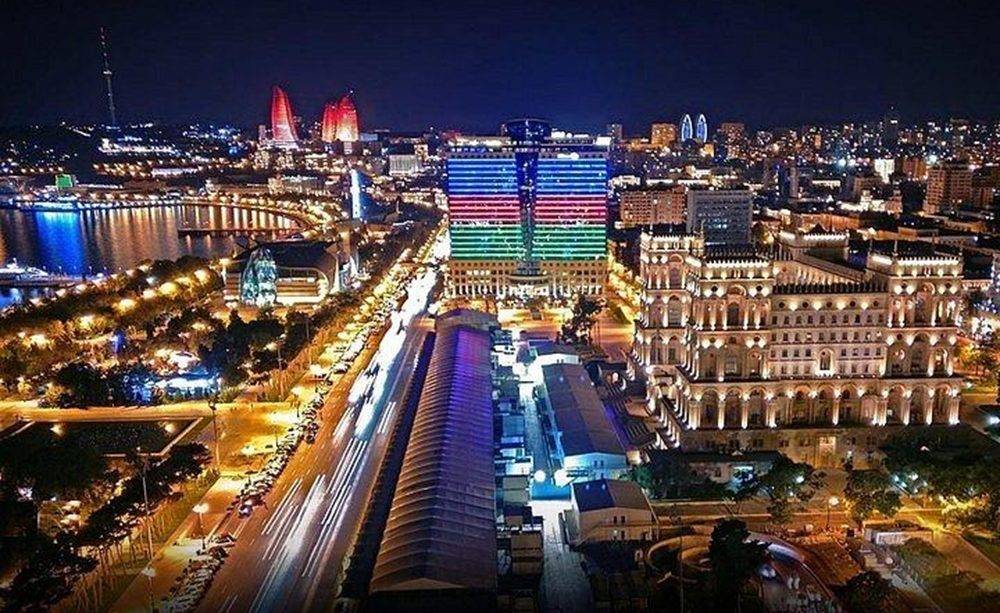
Azerbaijan’s foreign policy under President Aliyev has also gained notable prominence. Situated at the crossroads of Europe and Asia, the country has embraced its geostrategic role. It has hosted major international events such as the inaugural European Games in 2015, the 4th Islamic Solidarity Games in 2017, and the UN Climate Change Conference COP29 in 2024. These engagements underscore Azerbaijan’s active role in diplomacy, multilateralism and sustainable global dialogue.
Strategic victory
A significant chapter in recent Azerbaijani history unfolded in 2020 with the Second Karabakh War, known domestically as the Patriotic War. Over 44 days of intense combat, Azerbaijani forces regained substantial territory previously under Armenian control. This military success marked the restoration of Azerbaijan’s territorial integrity – a deeply symbolic victory for a generation displaced by war.
Following the ceasefire, the Azerbaijani government initiated expansive reconstruction and resettlement programmes. These include building new cities, transport corridors, places of worship, and public infrastructure in the liberated territories. The focus remains on creating conditions for the safe, voluntary return of displaced citizens – turning the page toward peace and revitalisation.
UAE–Azerbaijan partnership
Azerbaijan’s growing international influence is also evident in its relations with the United Arab Emirates. Ties between Baku and Abu Dhabi have deepened over the past decade, reflecting shared values of economic innovation, regional stability and sustainable development. Bilateral cooperation now spans energy, trade, logistics, renewable resources, digital technologies and cultural exchange.
High-level visits and joint ventures continue to strengthen this dynamic partnership. Emiratis visiting Azerbaijan experience its rich tapestry of cultural heritage and natural beauty, while the Azerbaijani community in the UAE enjoys the country's famed hospitality and inclusive environment. These connections reinforce not only diplomacy but people-to-people engagement between the two nations.
As Azerbaijan observes Independence Day, citizens at home and abroad engage in ceremonies, cultural festivals, exhibitions, and moments of remembrance. The date serves as both a historical anchor and a forward-looking celebration – a tribute to those who fought for freedom and a reaffirmation of the nation’s future ambitions.
From the early ideals of the 1918 republic to today’s confident, globally engaged state, Azerbaijan’s journey continues to inspire. The country stands today with a youthful population, a diversified economy, and a firm commitment to development and diplomacy. Its story is still unfolding – marked by lessons of the past and a determined stride into the future.